
Dental Crowns
What is a Dental Crown?
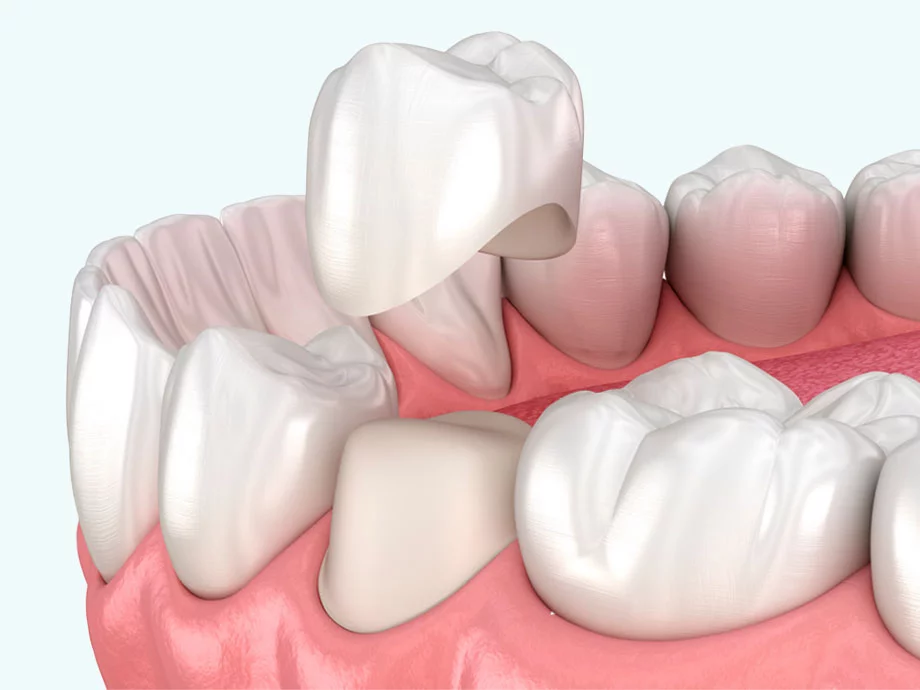
Dental crowns, crafted from a variety of materials, are custom-fitted caps designed to restore and strengthen damaged teeth. Whether you have a cracked tooth, a severe decay, or a large filling that needs replacement, crowns can provide durable protection. With CEREC® same-day crowns, a procedure that otherwise requires multiple visits, can be accomplished in just one.
What should your oral hygiene routine include?
There are always questions about how to set up an oral hygiene routine when we have patients come in. Some want to know about how often to brush or floss, while others want to know about things like mouthwash. Here is a simple breakdown of what you need to make sure you are taking the best care of your oral health as possible.
When Do You Need a Dental Crown?
Your dentist may recommend a crown for these common situations:
- Severe tooth decay that leaves too little healthy tooth for a large filling
- Cracked, fractured or broken tooth
- A tooth weakened after root canal treatment
- Worn-down teeth from long-term teeth grinding (bruxism)
- Severely discoloured or misshapen teeth for cosmetic improvement
- To support a dental bridge or cover a dental implant
Types of Crown Materials
Different materials fit different teeth and needs:
1. All-ceramic / Porcelain Crowns
Best for front teeth. Excellent natural look, translucent, metal-free and biocompatible. Great for patients with metal allergies.
2. Zirconia Crowns
Very strong ceramic. Works well for both front and back molars. High durability and good aesthetics.
3. Porcelain-Fused-to-Metal (PFM)
A metal inner frame covered with porcelain. Strong for back teeth. A dark metal line may show at the gum edge if gums recede over time.
4. Metal / Gold Alloy Crowns
Extremely tough, wear-resistant. Usually for back molars where chewing force is heavy. Not suitable for visible areas due to metallic colour.
Benefits of Dental Crowns
- Protect weak teeth from further breaking or infection
- Restore normal chewing function
- Improve smile appearance by fixing shape and discolouration
- Long-lasting restoration with proper oral care