
Surgical Extractions
Complex Tooth Removal with Gentle, Precise Oral Surgery
When a tooth cannot be removed with a simple extraction, our oral surgeons perform surgical extractions to safely take out impacted, broken or deeply damaged teeth. Using modern imaging and minimally invasive techniques, we protect your surrounding bone and gum tissue while keeping you comfortable throughout treatment.
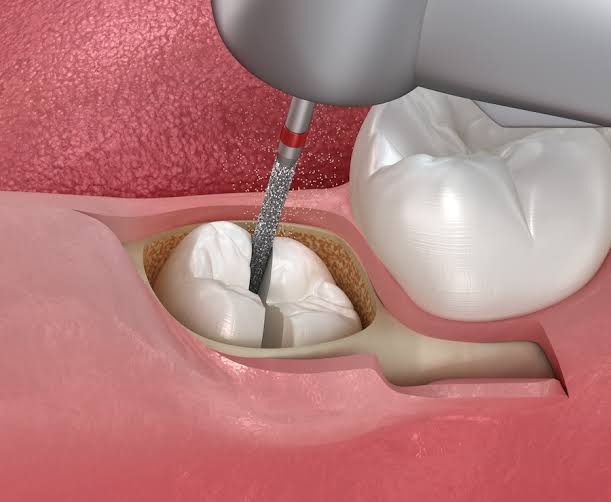
What Are Surgical Extractions?
Surgical extraction is an oral surgery procedure to remove teeth that are hidden under the gum line, fractured below the gum, or have curved, fused or tangled roots. Unlike simple extractions for fully erupted visible teeth, this treatment requires a small gum incision to access the tooth. Sometimes a tiny amount of surrounding bone is carefully removed, or the tooth is divided into smaller segments for easier, safer removal. Dissolvable stitches are placed to close the gum after the tooth is taken out.
When Is a Surgical Extraction Needed?
Our dentist recommends surgical extraction for:
- Impacted wisdom teeth trapped under gums or bone
- Teeth broken at or below the gumline that forceps cannot grip
- Severely decayed teeth with little remaining tooth structure
- Teeth with curved, hooked, fused or abnormally shaped roots
- Ankylosed teeth fused tightly to jawbone
- Teeth affected by advanced periodontal disease with severe bone loss
- Orthodontic treatment requiring removal of buried teeth
- Teeth causing recurrent infection, cysts or chronic pain
Key Benefits of Surgical Extractions
- Removes painful, infected or impacted teeth to stop ongoing discomfort and infection
- Prevents damage to adjacent healthy teeth, bone and gum tissue
- Eliminates risk of cysts, abscesses and recurring oral infections
- Reduces risk of future jaw pain, crowding and bite problems from impacted teeth
- Minimally traumatic techniques preserve as much natural jaw bone as possible
- Creates a clean foundation for future tooth replacement options such as dental implants