Skip to content
Dental Treatments
Fillings/Restorations
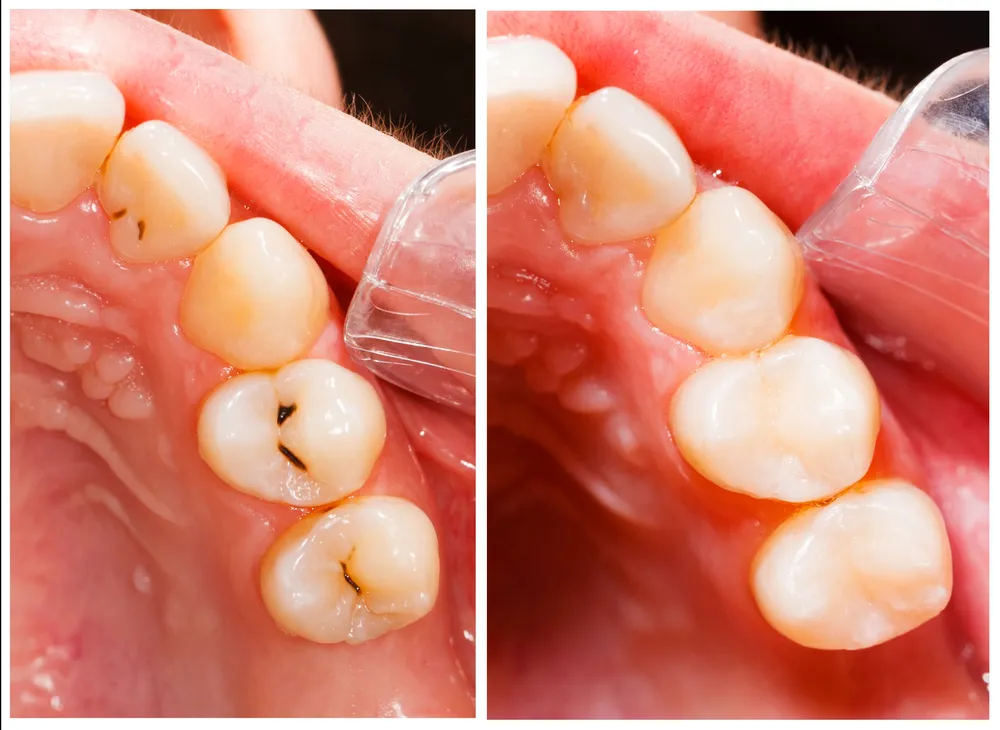 We provide both tooth-colored and traditional silver-colored fillings. We will discuss options with you, as well as the pros and cons of both materials and honor your decision regarding the filling material you would like us to use. Occasionally, due to the extent of decay, one material is ideal to use, and we will explain those conditions as well. Silver fillings are not particularly pleasing to the eye, and we know that by unavoidable design, silver/mercury fillings ultimately result in a weaker tooth structure. Porcelain inlays and Tooth Colored Restorations (onlays) create fillings that are not only beautiful (or unnoticeable) but also add strength to weakened teeth. These restorations are aesthetically pleasing and very strong, thanks to new bonding technologies. Whenever possible, we place tooth-colored fillings.
Disadvantages of Silver fillings:
Silver fillings have some drawbacks. The edges of the silver filling can wear down, become weak or break. This results in the tooth not being protected and lets cavities get started once again. With age, the metal of a silver filling expands, contracts, and can split.
Silver fillings contain 50 percent mercury. They can corrode, leak and cause stains on your teeth and gums. Even with these drawbacks, we know there are times that silver fillings are preferred either by us – oftentimes due to the location of the decay – or by you, the patient. Rest assured, we will always inform you of your options and the advantages and disadvantages of each option.
Advantages of Tooth-Colored Restorations
There are many advantages to tooth-colored restorations. Resin onlays are bonded to the teeth, creating a tight, superior fit to the natural tooth. Such restorations can be used in instances where much of the tooth structure has been lost. The tooth remains intact and stronger.
Since the resin used in tooth-colored restorations contain fluoride this can help prevent decay. The resin wears like natural teeth and does not require placement at the gum line, which is healthier for your gums!
The result is a beautiful smile!
Replacing Silver Fillings with a Tooth Colored Restoration
You can have your silver fillings replaced with tooth-colored restorations. If you are not comfortable with your smile due to silver fillings, please let us know, and we will put together a plan to replace those fillings with more esthetic, tooth-colored options.
Your teeth are restored to a natural look and feel; they are stronger, and the tooth is protected!
Dental Sealants
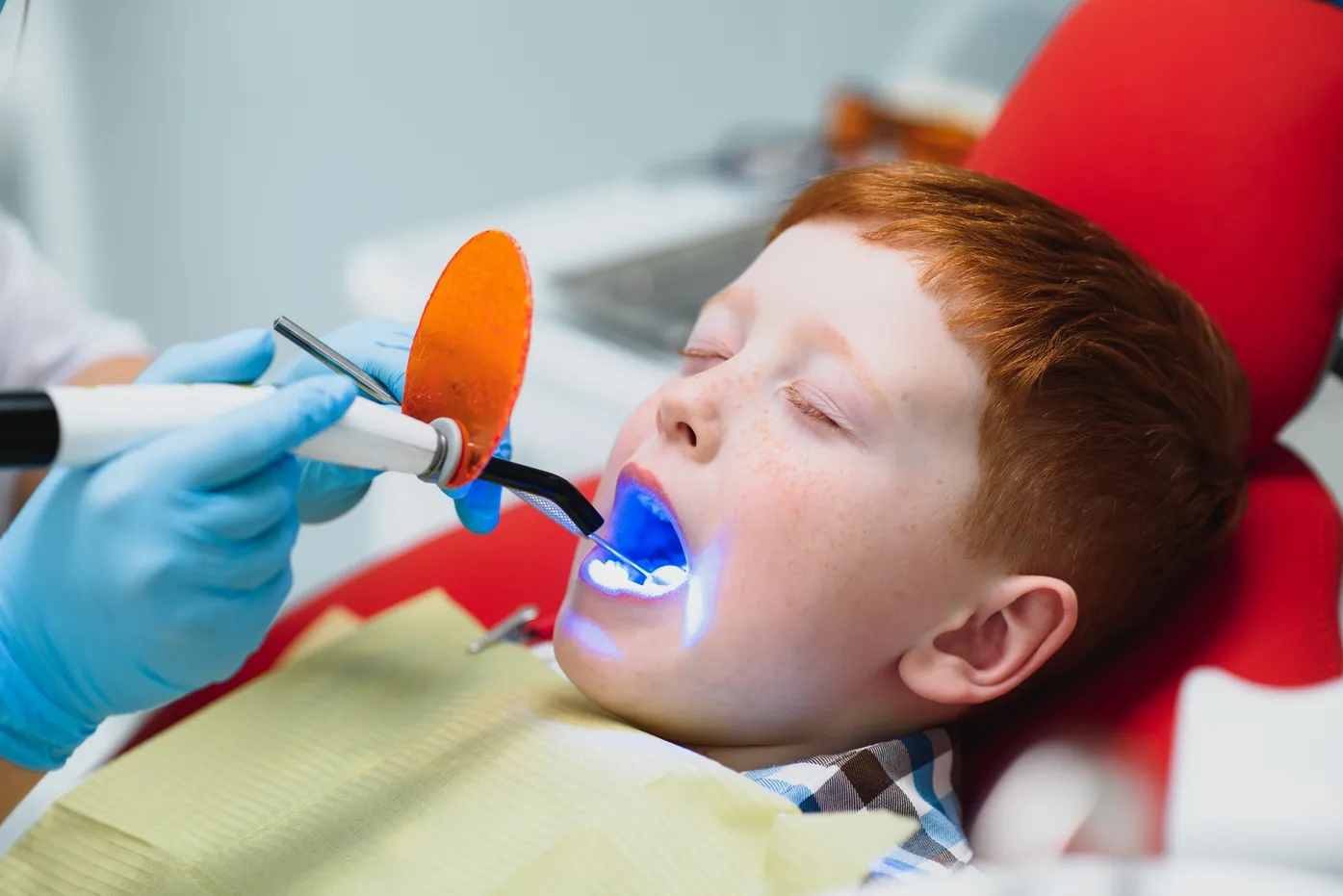 Highly effective in preventing decay on the biting surfaces of your chewing teeth, dental sealants are a simple procedure in which a tooth-colored acrylic “coating” is painted onto the surface of the tooth. This effectively “seals” the deep grooves, acting as a barrier and protecting enamel from plaque and acids.
Sealants protect the depressions and grooves of your teeth from food particles and plaque that brushing and flossing can’t reach.
Easy to apply, sealants take only a few minutes to seal each tooth. Sealants hold up well under the force of normal chewing and can last several years before a reapplication is needed.
Children and adults can benefit from sealants in the fight against tooth decay.
Dental Bridges
 All of your teeth play an important role in speaking, chewing and in maintaining proper alignment of other teeth. Tooth loss doesn’t necessarily have to occur as you age, but if you do lose teeth they must be replaced to maintain proper function of your mouth. Fortunately, there are options for correcting tooth loss.
Dental Bridge Options
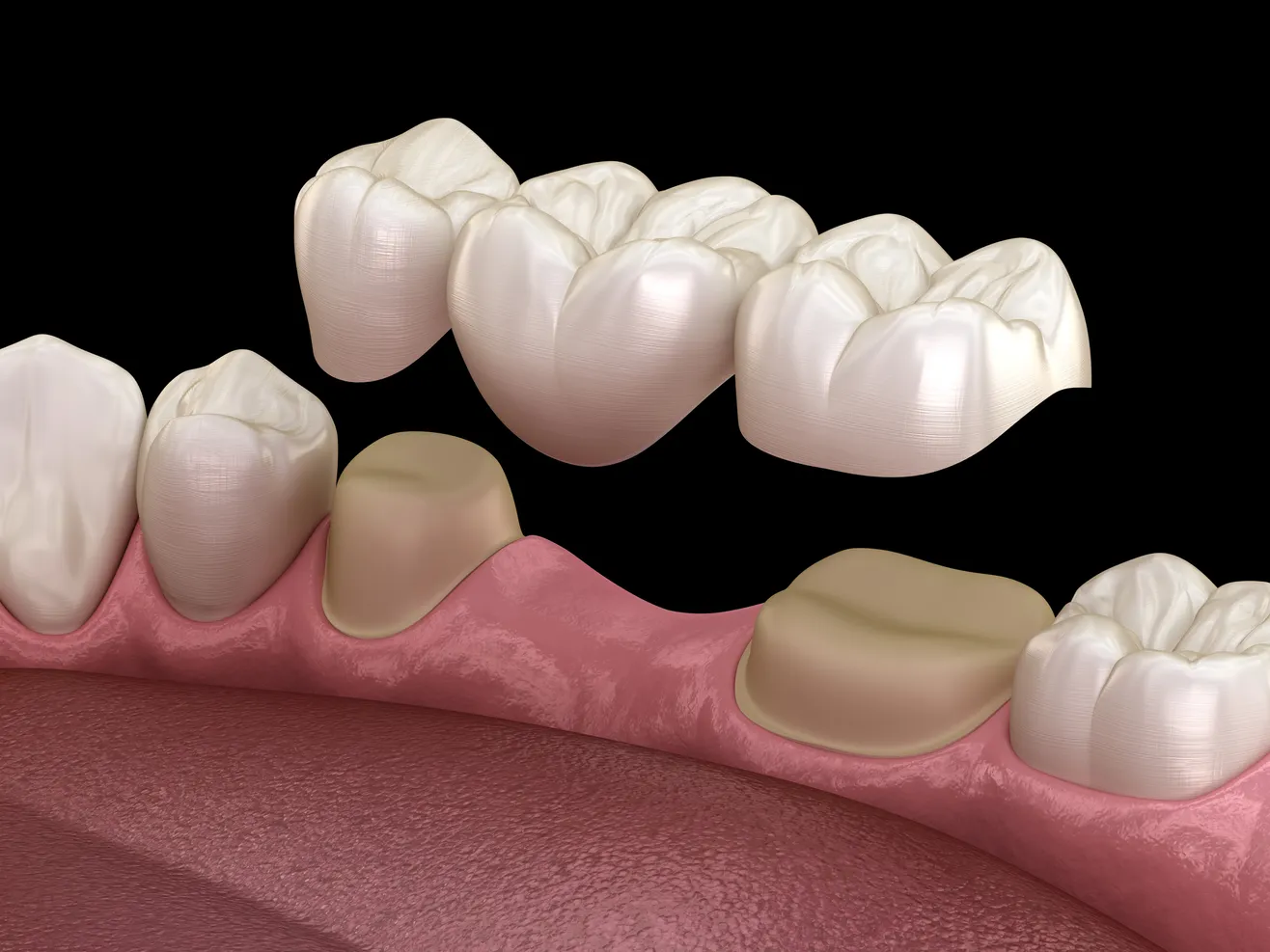
A bridge — a device used to replace missing teeth — attaches artificial teeth to adjacent natural teeth, called abutment teeth. Bridges are either permanently attached (fixed bridges), or they can be removable.
Fixed bridges are applied by either placing crowns on the abutment teeth or by bonding the artificial teeth directly to the abutment teeth. Removable bridges are attached to the teeth with metal clasps or by precision attachments.
If you’re missing one or more teeth, you may be aware of their importance to your appearance and dental health. Your teeth work together for many daily functions from eating to speaking. With missing teeth, it’s difficult to do these things. Missing teeth can and should be replaced. Fixed bridges are a great way to restore your dental health and appearance.
What exactly is a bridge or fixed partial denture?
A bridge (fixed partial denture) is a device which fills the gap where teeth are absent. Fixed bridges are bonded into place and can only be removed by a dental professional. Removable bridges, as the name implies, can be taken out and cleaned. Fixed bridges offer more stability than their removable counterparts.
Why do I need a bridge?
Oral functionality and appearance are important reasons for wearing a bridge. A bridge helps support your lips and cheeks. The loss of a back tooth may cause your mouth to sink and your face to look older.
Dental health is the most important reason for a bridge. Teeth were designed to complement each other. Unusual stresses are placed on the gums and other oral tissues when teeth are missing, causing a number of potentially harmful disorders.
Increased risk of gum disease has proven to be one of the worst side effects of missing teeth and can be minimized with a bridge.
Missing teeth can cause speech disorders as they are used to make many of the sounds we use to speak clearly.
How is a bridge attached?
The attachment procedure usually takes two or three appointments to complete. At the first appointment Dr. L. Alice Chen will prepare the teeth on either side of the gap by removing a portion of the enamel and dentin.
Since the bridge must be fabricated very precisely to ensure correct bite and to match the opposing tooth, impressions of the teeth are taken and sent to a lab where the bridge will be constructed.
Fixed bridges are typically cemented to the natural teeth next to the space left by the missing tooth. A pontic (false tooth) replaces the lost tooth. Crowns, which are cemented onto the natural teeth, provide support for the bridge.
What materials are used?
Bridges can be constructed from gold alloys, non-precious alloys, porcelain, Zirconia or a combination of these materials.
How do I take care of my bridge?
A strict regimen of brushing and flossing will keep the bridge and surrounding teeth clean. This is of critical importance as the bridge relies on the neighboring teeth for support.
Dental Implants
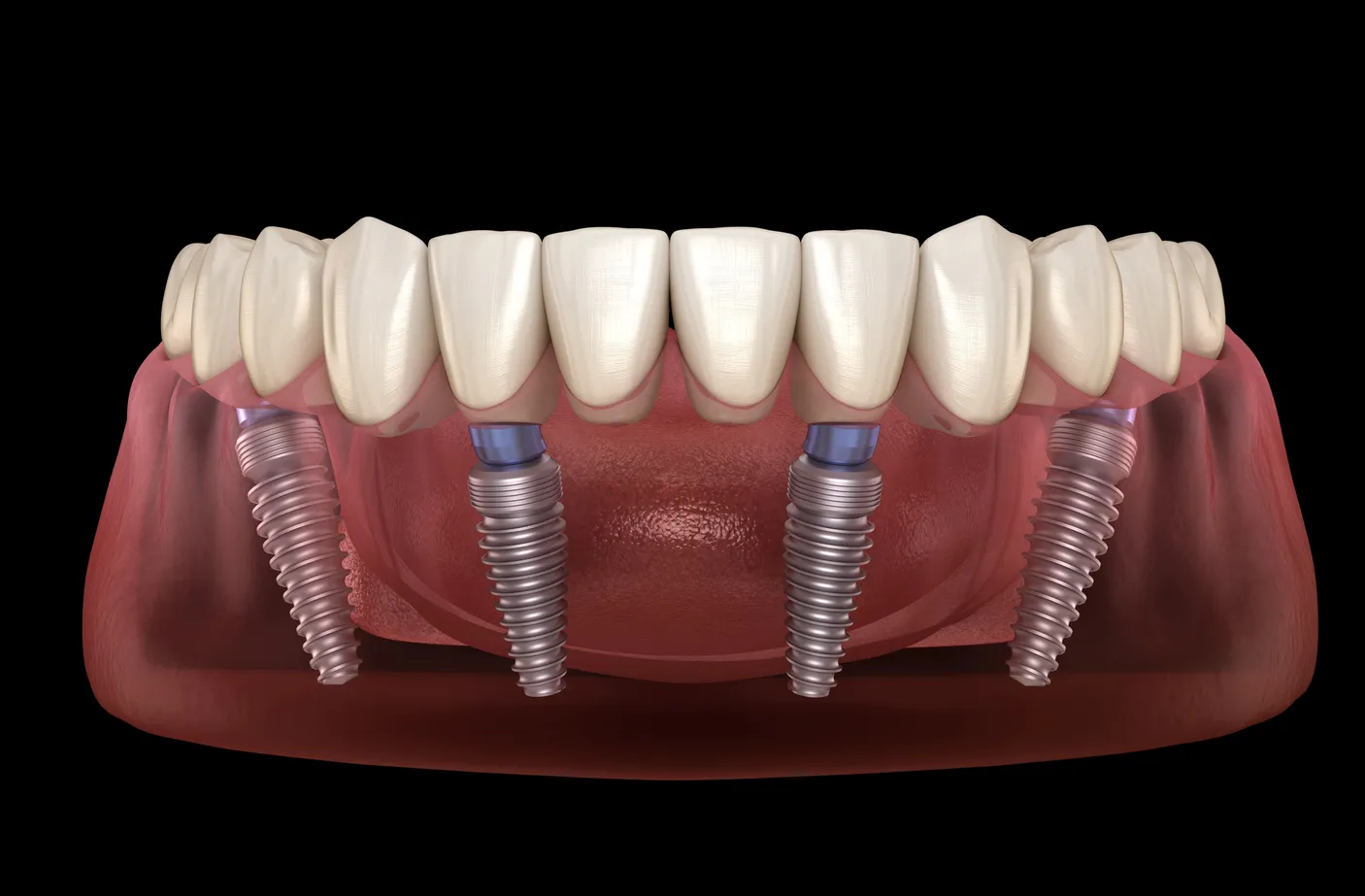 Missing a tooth can affect more than just your smile. It can make chewing more difficult, affect the way your teeth fit together, and over time may contribute to bone loss in the area of the missing tooth. Dental implants provide a strong, natural-looking solution that can restore both the function and appearance of your smile.
A dental implant is a small titanium post that is placed into the jawbone to replace the root of a missing tooth. After the implant integrates with the surrounding bone, a custom-made dental crown is attached to restore the visible portion of the tooth. The result is a restoration that looks, feels, and functions much like a natural tooth.
Precision Through Digital Implant Dentistry
At Woodcreek Family Dentistry, we use modern digital technology to carefully plan and perform implant procedures. 3D CBCT imaging allows us to evaluate the jawbone, surrounding anatomy, and the position of important structures before treatment.
When appropriate, we also use computer-designed surgical guides to transfer the treatment plan to the surgical procedure. This allows us to precisely control the planned implant position, angulation, and depth.
By combining 3D imaging, digital treatment planning, and guided implant surgery, we can make implant placement more predictable and carefully tailored to each patient's individual anatomy.
A Personalized Approach to Your Implant
Every patient and every implant site is different. During your implant consultation, we evaluate your oral health, bone structure, bite, and overall treatment goals. We then develop a personalized treatment plan designed to achieve a functional, comfortable, and natural-looking result.
Whether you are replacing a single missing tooth or considering multiple implants, our goal is to make your implant experience comfortable, precise, and predictable—from planning through final restoration.
Ready to find out if dental implants are right for you? Schedule an implant consultation with our team today.
Dental Crowns
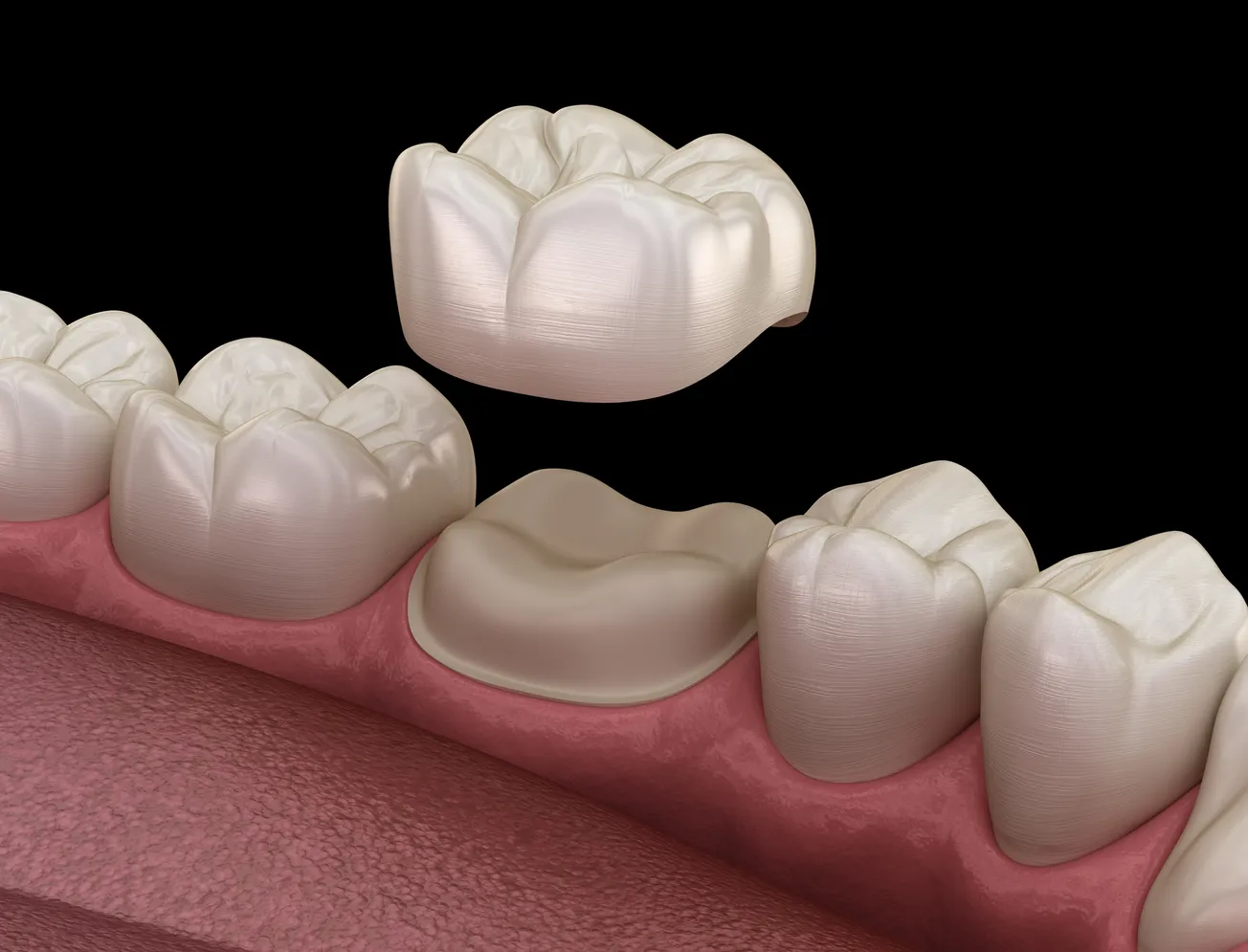 Our goal is to provide dentistry that is undetectable. We replace existing crowns and fillings with restorations that look and feel like your natural teeth.
Where damage to a person’s teeth is extreme, and apparently beyond repair, we can use porcelain or porcelain “pasted on gold” crowns to make the smile appear “as new”. This is an extremely reliable technique for repairing the most severe of dental problems, even permanently replacing missing teeth to offer a complete smile and a functional bite. We are renowned for the quality of our work and the fantastic changes we make for people using this technology. These treatments are used for a long-lasting correction of major dental problems. It is usual for these treatments to last for 20 to 30 years, which is as close to permanent as dental treatment can get.
How long does it take to fit a dental crown?
Fitting a crown requires at least two visits to our office. Initially, we will remove decay, shape the tooth, and fit it with a temporary crown of either plastic or metal.
On the subsequent visit, we will remove the temporary crown and then fit and adjust the final crown. Finally, we will cement the crown into place, and you will have a new, beautiful-looking tooth.
Key Benefits of Dental Crowns
● Replaces missing teeth
● Offers support to misshapen teeth or badly broken teeth
● Looks completely natural
● Fixes “smile” and functional chewing problems
What are the capabilities of crowns?
Crown and bridgework is a very reliable solution for major dental problems caused through accidents, diseases or wear and tear. Major problems can usually be corrected using these techniques. Material used in these repairs is either high-grade porcelain or porcelain bonded to gold. A higher strength of the porcelain and gold materials is recommended to treat the most serious of dental problems. Where accidental damage has occurred, resulting in lost teeth, or where teeth have broken away through excessive wear, or as the result of old fillings breaking, crowns and/or bridges can be used as a long-term solution.
Many people have unexplained pain from filled back teeth, which is usually due to hairline cracks in the chewing part of the tooth. Placing crowns on these teeth relieves the pain and allows a return of full dental function for these teeth. In front teeth, older fillings can both weaken the teeth and cause “appearance” problems due to staining or chipping. Porcelain crowns and bridges are suitable in cases where porcelain veneers are not. In teeth with root canal fillings, crowns can prevent breakage.
Tooth Extractions
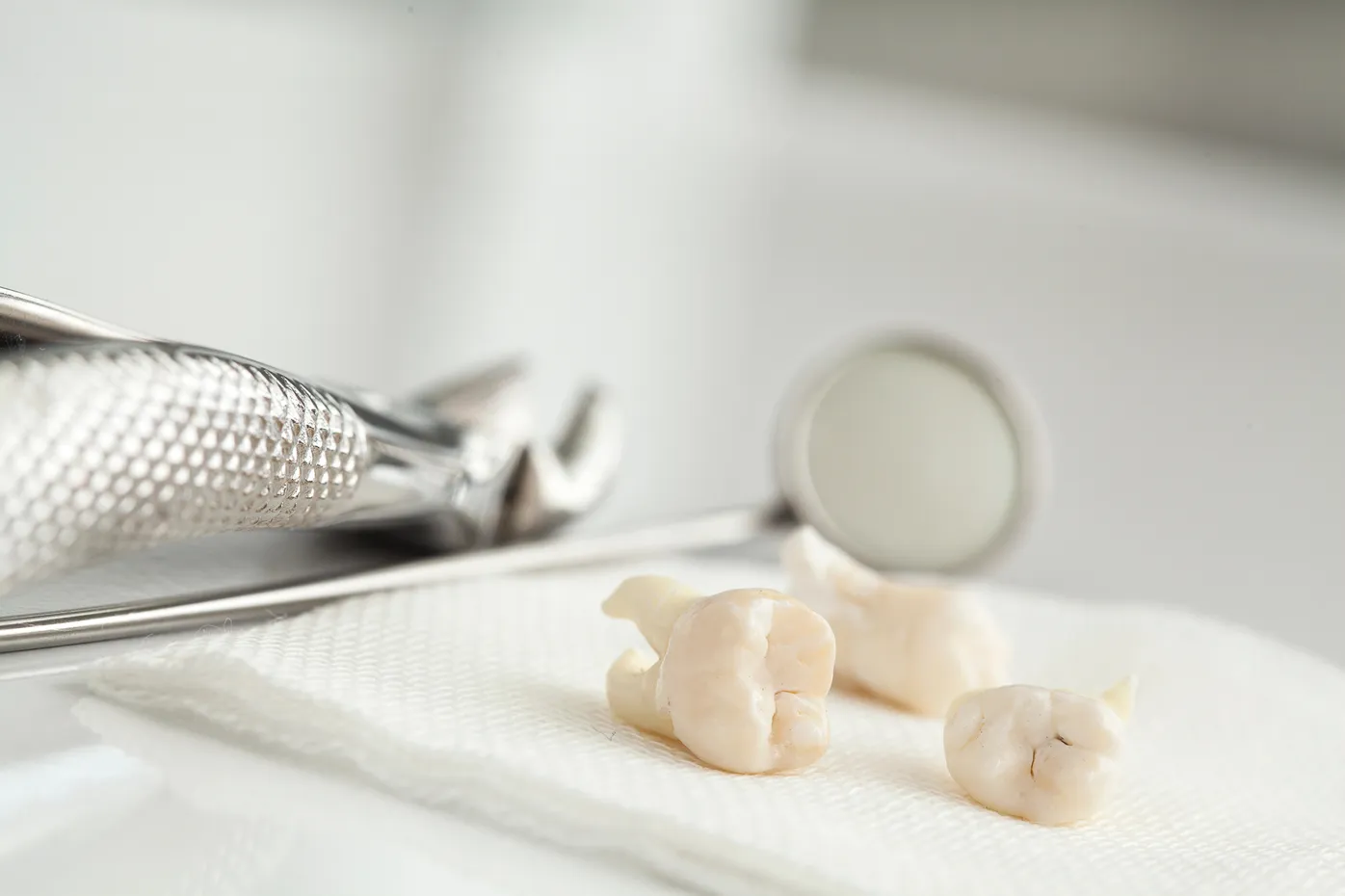 You and Dr. Wang may determine that you need a tooth extraction for any number of reasons. Some teeth are extracted because they are severely decayed; others may have advanced periodontal disease, or have broken in a way that cannot be repaired. Other teeth may need removal because they are poorly positioned in the mouth (such as impacted teeth), or in preparation for orthodontic treatment.
The removal of a single tooth can lead to problems related to your chewing ability, problems with your jaw joint, and shifting teeth, which can have a major impact on your dental health.
To avoid these complications, in most cases, Dr. Wang will discuss alternatives to extractions as well as replacement of the extracted tooth.
The Extraction Process
At the time of extraction the doctor will need to numb your tooth, jaw bone and gums that surround the area with a local anesthetic.
During the extraction process you will feel a lot of pressure. This is from the process of firmly rocking the tooth in order to widen the socket for removal.
You feel the pressure without pain as the anesthetic has numbed the nerves stopping the transference of pain, yet the nerves that transmit pressure are not profoundly affected.
If you do feel pain at any time during the extraction please let us know right away.
Sectioning a tooth
Some teeth require sectioning. This is a very common procedure done when a tooth is so firmly anchored in its socket or the root is curved and the socket can’t expand enough to remove it. The doctor simply cuts the tooth into sections then removes each section one at a time.
After Tooth Extraction
After tooth extraction, it’s important for a blood clot to form to stop the bleeding and begin the healing process. Bite on a gauze pad for 30-45 minutes immediately after the appointment. If the bleeding or oozing still persists, place another gauze pad and bite firmly for another 30 minutes. You may have to do this several times to staunch the flow of blood.
After the blood clot forms it is important to not disturb or dislodge the clot. Do not rinse vigorously, suck on straws, smoke, drink alcohol or brush teeth next to the extraction site for 72 hours. These activities may dislodge or dissolve the clot and hinder the healing process. Limit vigorous exercise for the next 24 hours, as this increases blood pressure and may cause more bleeding from the extraction site.
After the tooth is extracted you may feel some pain and experience some swelling. An ice pack or an unopened bag of frozen peas or corn applied to the area will keep swelling to a minimum. Take pain medications as prescribed. The swelling usually subsides after 48 hours.
Use pain medication as directed. Call our office if the medication doesn’t seem to be working. If antibiotics are prescribed, continue to take them for the indicated length of time even if signs and symptoms of infection are gone. Drink lots of fluids and eat nutritious, soft food on the day of the extraction. You can eat normally as soon as you are comfortable.
It is important to resume your normal dental routine with the exception of the extraction site, after 24 hours. This should include brushing and flossing your teeth at least once a day. This will speed healing and help keep your mouth fresh and clean.
After a few days you should feel fine and can resume your normal activities. If you have heavy bleeding, severe pain, continued swelling for 2-3 days, or a reaction to the medication, call our office immediately.
TMD Treatment
 Temporomandibular joint disorder (TMD) can cause persistent jaw pain, headaches, clicking sounds, and difficulty chewing. At Woodcreek Family Dentistry in Federal Way, WA, Dr. Wang offers targeted TMD treatment designed to relieve discomfort and restore natural jaw function. Treatment may involve custom-made oral appliances to reduce strain on the jaw joint, along with therapeutic techniques to improve alignment and muscle relaxation.
The dentist carefully evaluates each patient’s symptoms and bite to develop a personalized, non-invasive plan that addresses the root cause of their TMD and supports long-term relief.
Neuromuscular Treatments
 Neuromuscular treatment focuses on correcting the alignment between the jaw, muscles, and nerves to relieve chronic pain and improve function. At Woodcreek Family Dentistryin Federal Way, WA, Dr. Wang uses advanced diagnostics to assess how the jaw works in relation to the surrounding muscles and nerves.
By identifying imbalances, she creates a customized treatment plan that may include TENS therapy (transcutaneous electrical nerve stimulation), bite adjustments, and custom orthotics to help reposition the jaw. This holistic approach aims to reduce symptoms like jaw tension, neck pain, and migraines, restoring comfort and harmony to the bite.
Dentures
Dental Sealants
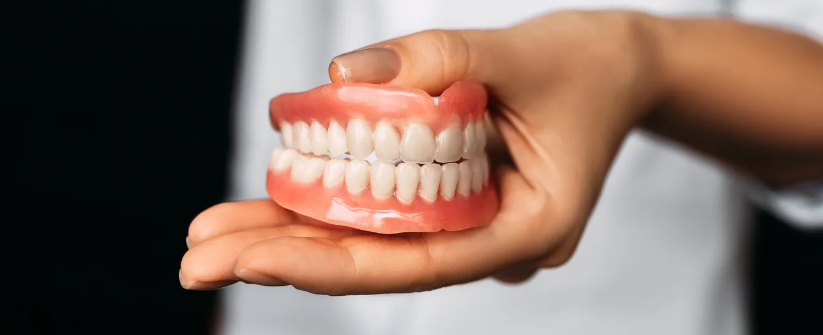 A denture or a complete denture as it is often called, is an appliance that is inserted in the mouth, replaces natural teeth and provides support for the cheeks and lips.
Most dentures are made of acrylic and can be fabricated two different ways.
● A conventional denture is made after all teeth have been extracted and the tissues (gums) have healed.
● An immediate denture is fabricated and inserted immediately after the teeth are extracted and the tissues are allowed to heal under the denture.
● An upper denture has acrylic, usually flesh colored, that covers the palate (roof of the mouth).
● A lower denture is shaped like a horseshoe to leave room for the tongue.
The teeth are made of plastic, porcelain or a combination thereof. Dentures can be fabricated to fit over endodontically treated teeth and a complete denture can be attached to dental implants to allow for a more secure fit of the appliance.
Dentures over a normal course of time will wear and need to be replaced or relined in order to keep the jaw alignment normal. The alignment will slowly change as the bone and gum ridges recede or shrink due to the extraction of the teeth. Regular dental examinations are still important for the denture wearer so that the oral tissues can be checked for disease or change.
Immediate Dentures
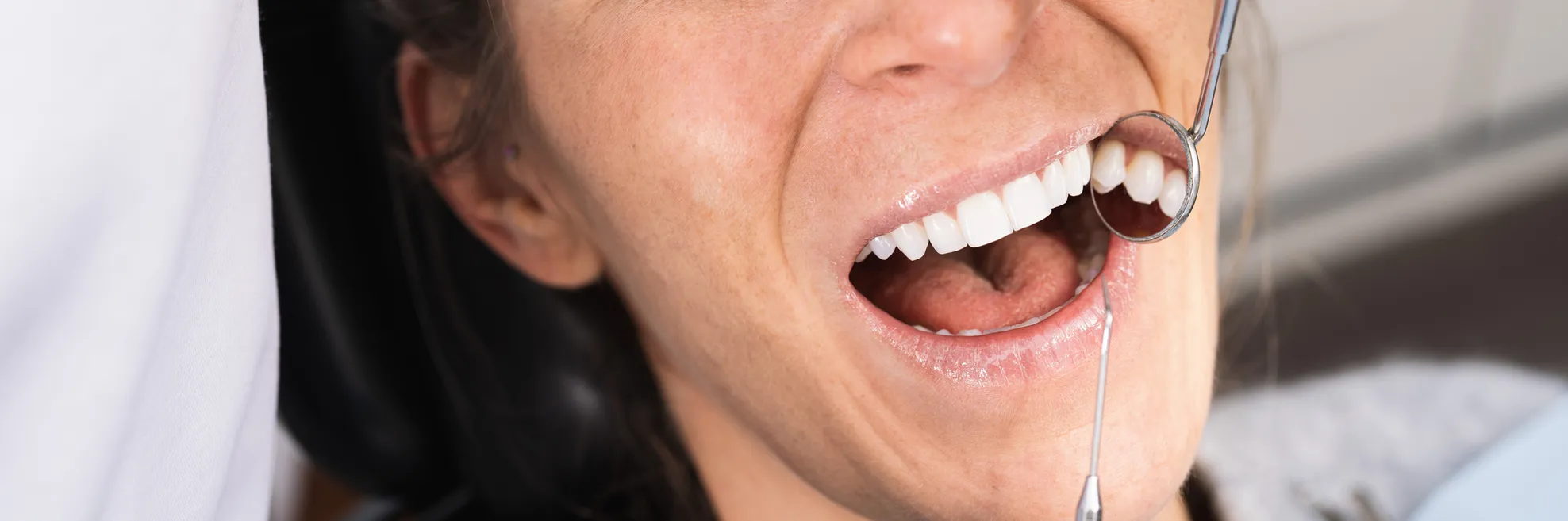 An immediate denture may be the best solution when complete extractions of your remaining teeth is unavoidable. An immediate denture will allow you to avoid the embarrassment of living without teeth. We will begin the preparation for this procedure before your teeth are extracted.
The first step is taking impressions of your existing teeth and gums to create accurate duplicates for placement after tooth removal. At your extraction appointment, your immediate dentures are inserted creating a natural smile you can be proud of.
What you should know about immediate dentures
In most cases, we have no way of checking the fit of the denture in your mouth prior to extraction. Esthetic compromises may have to be made in some cases to compensate for inadequate space or structural concerns.
After Extraction
Great care should be taken to follow all postoperative instructions.Your gums and bone will recede after extraction, and regular check-ups and maintenance will monitor healing and reduce problems. Temporary linings or tissue conditioners will be required to create an optimal fit and may need to be adjusted or replaced a number of times during the healing period. A permanent reline will be required to ensure a comfortable and an exact fit after you have completed the healing process.
● The professionals at Woodcreek Family Dentistry will advise you of the procedure that best suits your individual needs.
● Temporary liners, tissue conditioner and relines are additional services that may have separate fees.
● Consult our practice with questions about the benefits of an immediate denture.
● Call today for a Denture Consultation Renton Office Phone Number(253) 517-3249.
Implant Retained Dentures
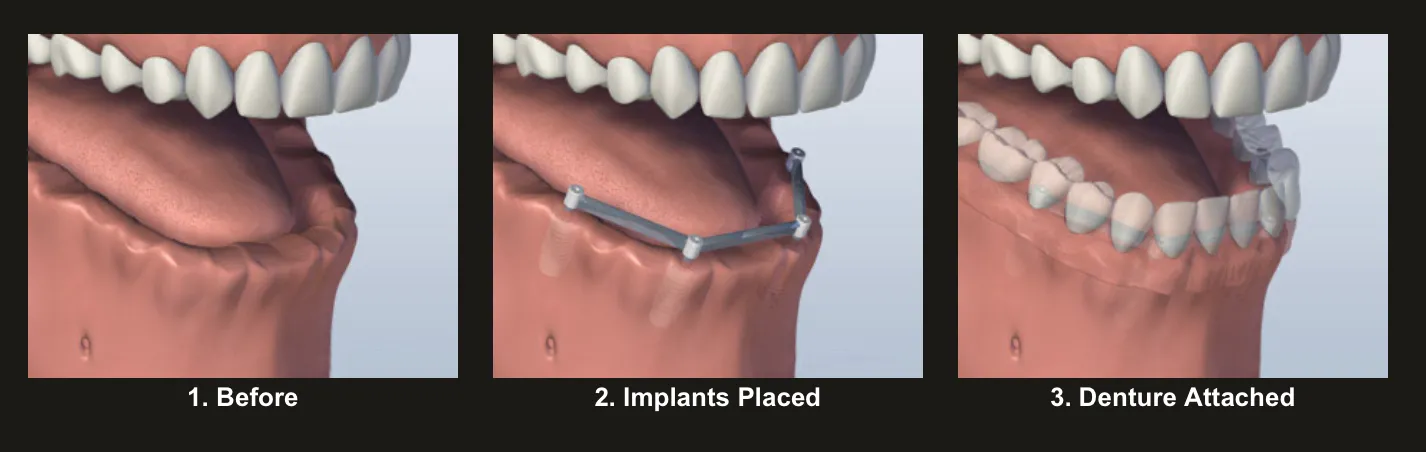 A denture or a complete denture as it is often called, is an appliance that is inserted in the mouth, replaces natural teeth and provides support for the cheeks and lips.
Replacing missing teeth with implant retained dentures
Usually, when you lose a tooth, it is best for your oral health to have it replaced. Missing teeth can affect your “bite” as well as your ability to speak and chew. Their loss can increase the burden on your remaining teeth and can cause muscle pain in your jaws and headaches. And of course, losing a tooth can affect your appearance. The following information reviews replacing missing teeth with an implant retained denture.
Although many patients have no problem wearing an upper denture, some people find it difficult to wear and eat with lower dentures. Several implant-supported replacement options are available if you are missing all of your lower teeth.
What if I’m missing all of my lower teeth?Ball Attachment Denture
One option is to have two implants placed in your lower jaw and a denture made that snaps onto these implants. This option allows your lower denture to be more stable while chewing than without implants. However, there will still be movement of your lower denture, and sore spots will occur if any food particles, especially seeds, are caught under it. As with all removable replacement teeth, you still will need periodic appointments for denture adjustment.
Bar Attachment Denture
Another option involves placing four to six implants, depending on your jaw size or shape, into your lower jaw. After healing is complete, the implants are connected with a custom-made support bar. Your denture will be made with special internal retention clips that attach onto the support bar, enabling the denture to snap firmly into place. This is called an “overdenture.” The advantage of this option is that it is much more stable than the first option and allows very little denture movement. Your denture is still removable for easy cleaning and maintenance.
Screw Retained Denture
A third option involves placing five or more implants in your jaw and attaching a permanent denture. Your denture is held in place by screws or clasps that secure it to the support posts or bar. It doesn’t touch the gum tissue, which allows you to clean under the denture without removing it. This denture will replace all your missing lower teeth and will not be removed except at maintenance visits. Although cleaning under your denture without removing it is more time consuming and requires more dexterity, many patients who want a permanent denture prefer this option.
Screw Retained Denture
A similar range of treatment options is also available for your upper jaw. However, because the bone is not as hard as that in the lower jaw, people often need more implants to support their new replacement teeth. Depending upon the number of implants to be placed, it may be possible to eliminate the need for covering the roof of your mouth with a complete denture. This option allows you to fully taste your food and gives you a better sense of its temperature. Your denture will feel more natural. You will still have a removable denture, which makes cleaning the support bar and denture much easier.
Partial Dentures
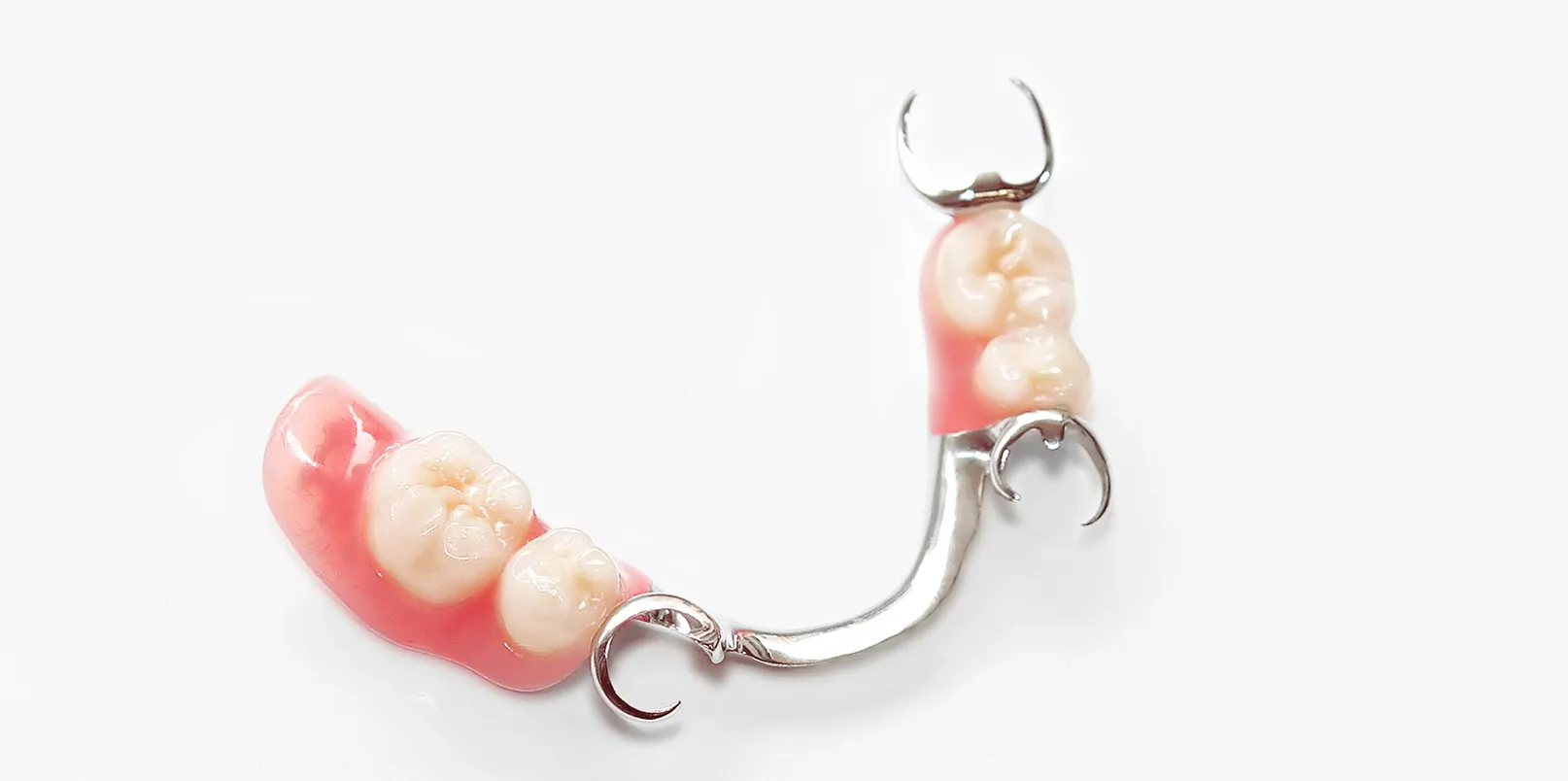 A removable partial denture is designed specifically to meet the needs of the patient and can replace one or more missing teeth. A natural appearance and speech clarity is restored along with the ability to eat more efficiently.
Partial Denture Types and Materials
Partial dentures are created out of a metal and acrylic composition or completely out of acrylic. A patient’s specific needs and anatomy dictate the design of the partial denture and every effort is made to construct a self-cleansing partial denture that preserves the remaining teeth and oral tissues.
Dr. Wang will design your partial denture so that the chewing forces are evenly distributed over the entire surface of the remaining teeth and soft tissues. Changes to your remaining teeth may be recommended to help equalize these forces.
Metal partials are generally preferred as they are structurally superior. They are thinner and more hygienic than an acrylic partial. Acrylic partials are typically used as transitional or temporary partials. Dr. Wang will consult with you to determine the appropriate partial for your situation.
Benefits of Partial Dentures
A removable partial denture may help limit movement of your existing natural teeth. They also allow you to better grind and chew food improving digestion.
Denture Care
Advice and tips on caring for your dentures
● Only your dental professional is qualified to diagnose your oral health and adjust your denture or partial.
● Dentures should be brushed inside and outside daily with a soft, large nylon denture tooth brush with round-ended bristles.
● Use denture creams instead of toothpastes, which are too abrasive and will scratch your denture. Rinse with cold water.
● Dentures warp if placed in hot water.
● Inspect your denture regularly for worn teeth.
● Worn and stained dentures can make you look older and cause your dentures to function poorly.
● Discuss all your current medications with your doctor and dental professional.
● Be sure to visit your dental professional regularly.
● Have loose dentures checked immediately as they can cause friction and pressure on the gum tissues and bones.
● When not in use, cover dentures with water or a denture-cleaning solution to prevent them from drying out.
● Most dental insurance policies provide coverage for new dentures every 5 years.