
Dental Health
Dental Health
 At Woodcreek Family Dentistry, our team is prepared to answer all questions pertaining to your dental health and appearance. Oral hygiene, specifically brushing and flossing, are a vital part of your dental health. We can also answer your questions about the different dental specialties and explain the meaning of dental terms.
Select from the topics below for more information about dental health:
● Oral Hygiene● Child Dentistry
● Prophylaxis (Teeth Cleaning)
● Periodontal Maintenance
● Arestin
● Dental Specialties
Oral Hygiene

Why is oral hygiene so important?
Adults over the age of 35 lose more teeth to gum diseases (periodontal disease) than from cavities. Three out of four adults are affected at some time in their life. The best way to prevent cavities and periodontal disease is by good tooth brushing and flossing techniques, performed daily.Periodontal disease and decay are both caused by bacterial plaque. Plaque is a colorless film, which sticks to your teeth at the gum line. Plaque constantly forms on your teeth. By thorough daily brushing and flossing you can remove these germs and help prevent periodontal disease.
How to Brush
If you have any pain while brushing or have any questions about how to brush properly, please be sure to call the office at Renton Office Phone Number (253) 517-3249.Dr. Wang recommends using a soft to medium tooth brush. Position the brush at a 45 degree angle where your gums and teeth meet. Gently move the brush in a circular motion several times using small, gentle strokes brushing the outside surfaces of your teeth. Use light pressure while putting the bristles between the teeth, but not so much pressure that you feel any discomfort.
When you are done cleaning the outside surfaces of all your teeth, follow the same directions while cleaning the inside of the back teeth.
To clean the inside surfaces of the upper and lower front teeth, hold the brush vertically. Make several gentle back-and-forth strokes over each tooth. Don’t forget to gently brush the surrounding gum tissue.
Next you will clean the biting surfaces of your teeth by using short, gentle strokes. Change the position of the brush as often as necessary to reach and clean all surfaces. Try to watch yourself in the mirror to make sure you clean each surface. After you are done, rinse vigorously to remove any plaque you might have loosened while brushing.
How to Floss
Periodontal disease usually appears between the teeth where your toothbrush cannot reach. Flossing is a very effective way to remove plaque from those surfaces. However, it is important to develop the proper technique. The following instructions will help you, but remember it takes time and practice.Start with a piece of floss (waxed is easier) about 18” long. Lightly wrap most of the floss around the middle finger of one hand. Wrap the rest of the floss around the middle finger of the other hand.
To clean the upper teeth, hold the floss tightly between the thumb and forefinger of each hand. Gently insert the floss tightly between the teeth using a back-and-forth motion. Do not force the floss or try to snap it in to place. Bring the floss to the gum line then curve it into a C-shape against one tooth. Slide it into the space between the gum and the tooth until you feel light resistance. Move the floss up and down on the side of one tooth. Remember there are two tooth surfaces that need to be cleaned in each space. Continue to floss each side of all the upper teeth. Be careful not to cut the gum tissue between the teeth. As the floss becomes soiled, turn from one finger to the other to get a fresh section.
To clean between the bottom teeth, guide the floss using the forefingers of both hands. Do not forget the back side of the last tooth on both sides, upper and lower.
When you are done, rinse vigorously with water to remove plaque and food particles. Do not be alarmed if during the first week of flossing your gums bleed or are a little sore. If your gums hurt while flossing you could be doing it too hard or pinching the gum. As you floss daily and remove the plaque your gums will heal and the bleeding should stop.
Caring for Sensitive Teeth
Sometimes after dental treatment, teeth are sensitive to hot and cold. This should not last long, but only if the mouth is kept clean. If the mouth is not kept clean the sensitivity will remain and could become more severe. If your teeth are especially sensitive consult with your doctor. They may recommend a medicated toothpaste or mouth rinse made especially for sensitive teeth.Professional Cleaning
Daily brushing and flossing will keep dental calculus to a minimum, but a professional cleaning will remove calculus in places your toothbrush and floss have missed. Your visit to our office is an important part of your program to prevent gum disease. Keep your teeth for your lifetime.Child Dentistry

Your child’s first visit
The first “regular” dental visit should be just after your child’s third birthday. The first dental visit is usually short and involves very little treatment. We may ask you to sit in the dental chair and hold your child during the examination.We will gently examine your child’s teeth and gums. X-rays may be taken (to reveal decay and check on the progress of your child’s permanent teeth under the gums). We may clean your child’s teeth and apply topical fluoride to help protect the teeth against decay. We will make sure your child is receiving adequate fluoride at home. Most important of all, we will review with you how to clean and care for your child’s teeth.
What should I tell my child about the first dental visit?
We are asked this question many times. We suggest you prepare your child the same way you would before their first haircut or trip to the shoe store. Your child’s reaction to his first visit to the dentist may surprise you.Here are some “First Visit” tips:
● Take your child for a “preview” of the office.● Read books with them about going to the dentist.
● Review with them what the dentist will be doing at the time of the first visit.
● Speak positively about your own dental experiences.
During your first visit the dentist will:
● Examine your mouth, teeth and gums.● Evaluate adverse habits like thumb sucking.
● Check to see if you need fluoride.
● Teach you about cleaning your teeth and gums.
● Suggest a schedule for regular dental visits.
What about preventative care?
Tooth decay and children no longer have to go hand in hand. At our office we are most concerned with all aspects of preventive care. We use the latest in dental sealant technology to protect your child’s teeth. Dental sealants are space-age plastics that are bonded to the chewing surfaces of decay-prone back teeth. This is just one of the ways we will set the foundation for your child’s lifetime of good oral health.Cavity prevention
Most of the time cavities are due to a diet high in sugary foods and a lack of brushing. Limiting sugar intake and brushing regularly, of course, can help. The longer it takes your child to chew their food and the longer the residue stays on their teeth, the greater the chances of getting cavities.Every time someone eats, an acid reaction occurs inside their mouth as the bacteria digests the sugars. This reaction lasts approximately 20 minutes. During this time the acid environment can destroy the tooth structure, eventually leading to cavities.
Consistency of a person’s saliva also makes a difference; thinner saliva breaks up and washes away food more quickly. When a person eats diets high in carbohydrates and sugars they tend to have thicker saliva, which in turn allows more of the acid-producing bacteria that can cause cavities.
Tips for cavity prevention
● Limit frequency of meals and snacks.● Encourage brushing, flossing and rinsing.
● Watch what your child drinks.
● Avoid giving your child sticky foods.
● Make treats part of meals.
● Choose nutritious snacks.
The first baby teeth that come into the mouth are the two bottom front teeth. You will notice this when your baby is about 6-8 months old. Next to follow will be the 4 upper front teeth and the remainder of your baby’s teeth will appear periodically. They will usually appear in pairs along the sides of the jaw until the child is about 2 1/2 years old.
At around 2 1/2 years old your child should have all 20 teeth. Between the ages of 5 and 6 the first permanent teeth will begin to erupt. Some of the permanent teeth replace baby teeth and some don’t. Don’t worry if some teeth are a few months early or late as all children are different.
Baby teeth are important as they not only hold space for permanent teeth but they are important to chewing, biting, speech and appearance. For this reason it is important to maintain a healthy diet and daily hygiene.
Prophylaxis (Teeth Cleaning)
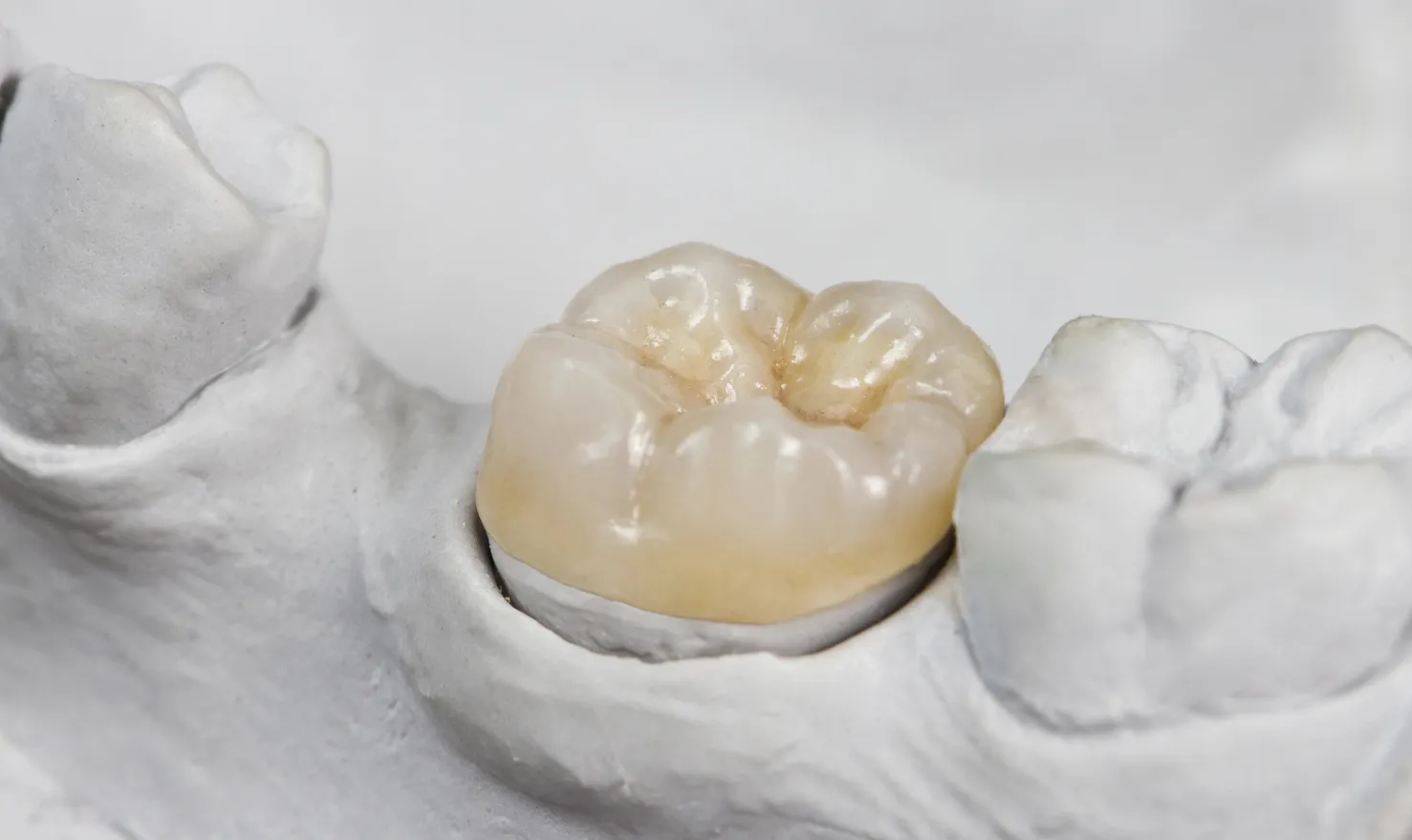 When more than half of the tooth’s biting surface is damaged, a dentist will often use an inlay or onlay.
What are inlays and onlays?
Inlays and onlays can be made of porcelain, gold, or composite resin. These pieces are bonded to the damaged area of the tooth. An inlay, which is similar to a filling, is used inside the cusp tips of the tooth. An onlay is a more substantial reconstruction, similar to the inlay but extending out over one or more of the cusps of the tooth.Traditionally, gold has been the material of choice for inlays and onlays. In recent years, however, porcelain has become increasingly popular due to its strength and color, which can potentially match the natural color of your teeth.
How are inlays and onlays applied?
Inlays and onlays require two appointments to complete the procedure. During the first visit, the filling being replaced or the damaged or decaying area of the tooth is removed, and the tooth is prepared for the inlay or onlay. To ensure proper fit and bite, an impression of the tooth is made by the dentist, and sent to a lab for fabrication. The dentist will then apply a temporary sealant on the tooth and schedule the next appointment.At the second appointment, the temporary sealant is removed. The dentist will then make sure that the inlay or onlay fits correctly. If the fit is satisfactory, the inlay or onlay will be bonded to the tooth with a strong resin and polished to a smooth finish.
Considerations for inlays and onlays
Traditional fillings can reduce the strength of a natural tooth by up to 50 percent. As an alternative, inlays and onlays, which are bonded directly onto the tooth using special high-strength resins, can actually increase the strength of a tooth by up to 75 percent. As a result, they can last from 10 to 30 years. In some cases, where the damage to the tooth is not extensive enough to merit an entire crown, onlays can provide a very good alternative.Periodontal Maintenance
 Having a beautiful smile may be even easier than you think. Many people achieve the look they’ve been dreaming of with our simple “bleaching” procedure.
What are the details of teeth whitening?
It’s safe, quick, and inexpensive. Just let us know at any appointment if you would like to whiten your teeth. You can lighten only your upper teeth or both the upper and lower, depending on how much you show when you talk and smile.During your appointment, the dentist can determine if you are an ideal candidate for whitening and review the options we offer here at Woodcreek Family Dentistry.
Key Benefits of Teeth Whitening
● Corrects brown, yellow and spotted tooth staining.● Works on people of any age.
● It is a near-permanent solution for a “dull” smile, restoring brightness and bringing a smile alive.
Dental Specialties

Clear Correct
The invisible way to straighten your teeth without braces.Short-term clear braces for quick movement
● For a fraction of the cost of traditional braces, you can straighten your front teeth in a short time frame.● Clear braces are affixed to the teeth through computer-generated technology and Dr. Chen’s keen eye for cosmetic detail.
● In as short as 4-6 months, you can have the smile you'll be proud of.
● A consultation appointment can help you understand the length of time and fees associated with your case.
Sleep Apnea Treatment
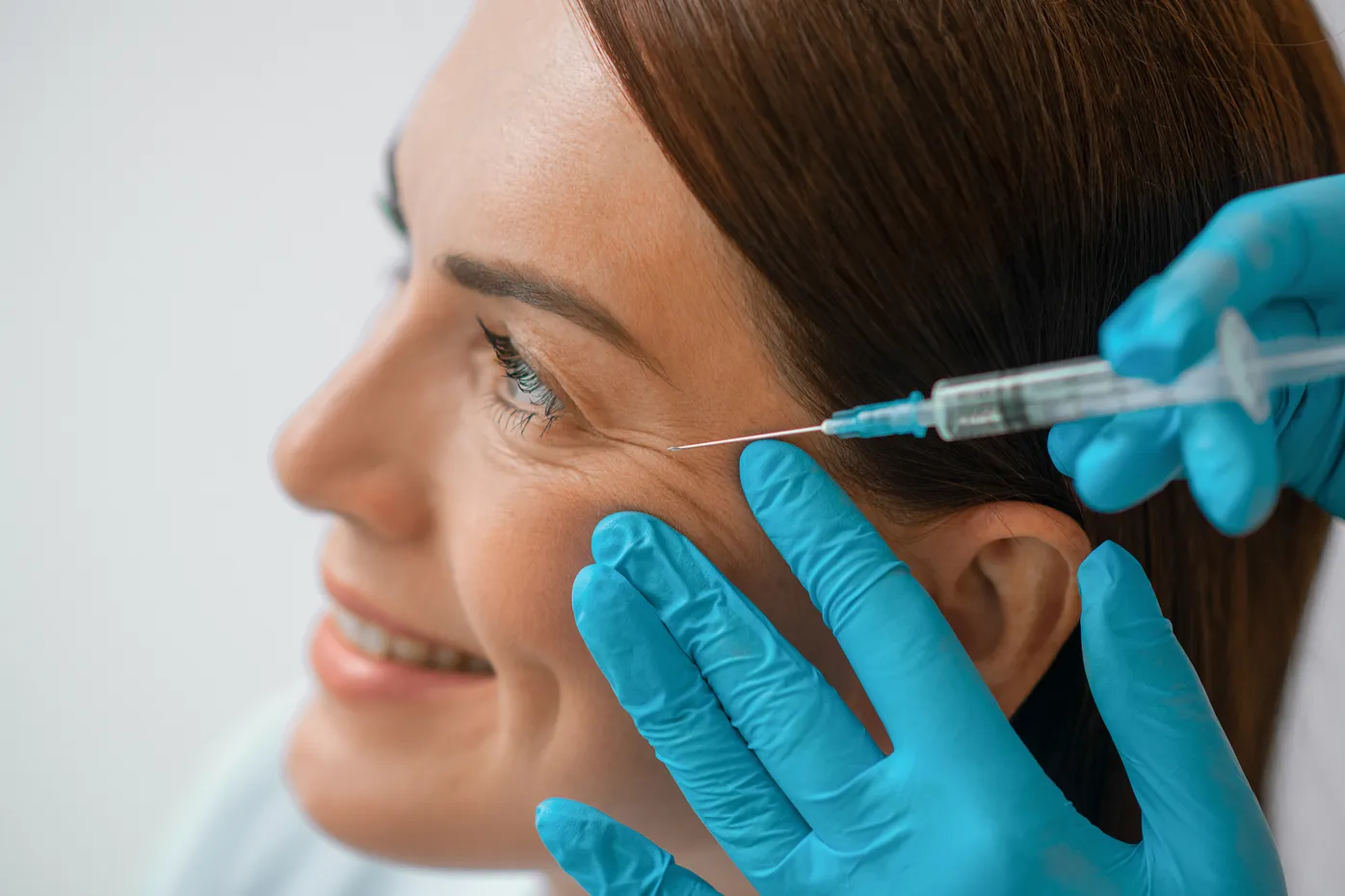
Botox in Dentistry: Everything You Need To Know
Botox is a well known cosmetic solution for cosmetic needs, but can also be an option for the treatment of some orofacial conditions. There are many benefits of using Botox in dentistry, but there are also risks, that should be thoroughly discussed to determine it is the right treatment for you.What is Botox?
Botox uses a special protein to block overactive nerve impulses, restricting muscle contractions. In doing so, Botox helps to relax the muscles beneath the skin, so that fine lines and wrinkles become less visible, giving the skin a healthy, more youthful appearance.Depending on each individual case, the results can last between one and six months. Treatment is temporary, and once the Botox begins to wear off, the skin will return to the way it looked before treatment.
Botox is also used to relieve symptoms of TMJ, as well as provide comfort to patients receiving dental implants. In each case, Botox is used to reduce the amount of stress placed on the teeth and jaw so that patients feel comfortable and confident.
Tell your doctor if you have or have had bleeding issues; plan to or have had surgery; have forehead muscle weakness such as trouble raising your eyebrows, drooping eyelids; or any changes to your face.
Contra-Indications with Botox
Adverse reactions to localized Botox is uncommon. Side effects may include a temporary change in facial expression, allergic reactions, rash, itching, headache, neck or back pain, muscle stiffness, difficulty swallowing, or shortness of breath.Botox uses in Dentistry:
● Temporomandibular Joint Disorder● TMJ Dislocation
● Tension-Type Headaches
● Bruxism
● Excessive Gingival Display
Areas for treatment
● Forehead Lines● Eyebrows
● Glabella
● Crows Feet
● Gummy Smile
● Masseters
● Smoker's lines
● Neck wrinkles and platysmal bands